Healthy Eating Without Complicated Diets
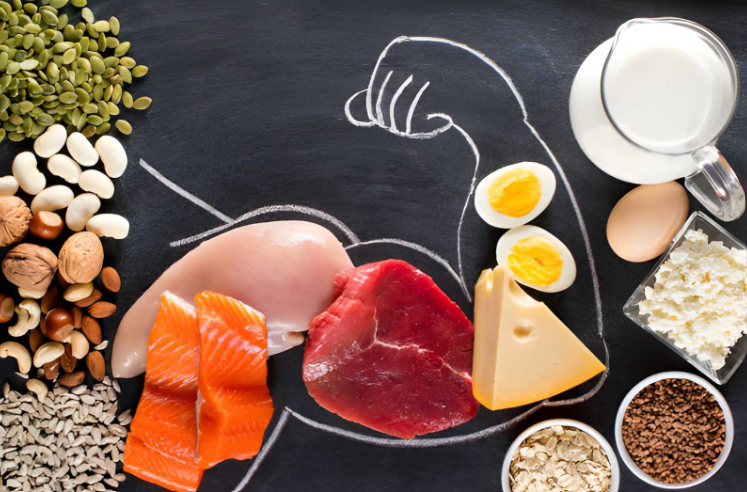
Healthy eating does not have to mean strict meal plans, expensive ingredients, calorie counting, or following the latest diet trend. In fact, the best way to build healthy eating habits is often the simplest: choose mostly whole foods, eat balanced meals, drink enough water, and make small changes you can maintain. A healthy lifestyle should feel realistic, flexible, and enjoyable—not stressful.
If you want to improve your nutrition without complicated diets, this guide will help you understand easy ways to eat better every day.
What Does Healthy Eating Really Mean?
Healthy eating is about giving your body the nutrients it needs to function well. This includes protein, carbohydrates, healthy fats, vitamins, minerals, and fiber. Instead of focusing on restrictions, healthy eating focuses on balance.
A balanced diet usually includes:
– Fruits and vegetables
– Whole grains
– Lean proteins
– Healthy fats
– Dairy or dairy alternatives
– Plenty of water
You do not need to remove entire food groups Ga6789 unless you have a medical reason or allergy. For most people, eating a variety of nutritious foods is more effective than following a strict diet.
Start With Simple, Whole Foods
One of the easiest ways to eat healthier is to choose more whole foods. Whole foods are foods that are close to their natural state and are usually less processed. Examples include apples, oats, eggs, beans, brown rice, chicken, fish, spinach, nuts, and yogurt.
Processed foods are not always “bad,” but many packaged snacks, sugary drinks, and fast foods are high in added sugar, salt, and unhealthy fats. Eating these foods occasionally is fine, but making whole foods the foundation of your meals can improve your energy, digestion, and overall health.
A simple rule to follow is this: fill most of your plate with foods that look like they came from nature.
Build a Balanced Plate
You do not need a complicated meal plan to eat well. A balanced plate method can make healthy eating easy.
Try this simple formula:
– Half your plate: vegetables or fruit
– One quarter: protein
– One quarter: whole grains or starchy vegetables
– Add a small amount of healthy fat
For example, a balanced meal could be grilled chicken, brown rice, roasted vegetables, and avocado. Another simple option is a bowl with beans, quinoa, greens, salsa, and olive oil dressing.
This method helps you get enough nutrients while keeping portions balanced. It is also flexible, so you can use foods you already enjoy.
Eat More Fruits and Vegetables
Fruits and vegetables are rich in fiber, vitamins, minerals, and antioxidants. They support digestion, heart health, immune function, and healthy weight management. Yet many people do not eat enough of them.
You can increase your intake without making big changes. Add berries to breakfast, include a side salad with lunch, snack on carrots and hummus, or add extra vegetables to soups, pasta, omelets, and sandwiches.
Frozen fruits and vegetables are also great options. They are convenient, often affordable, and still nutritious. Keeping them on hand makes it easier to prepare healthy meals quickly.
Choose Protein at Every Meal
Protein helps keep you full, supports muscle health, and plays an important role in many body functions. Including protein in each meal can reduce cravings and help maintain steady energy levels.
Healthy protein sources include:
– Eggs
– Fish
– Chicken or turkey
– Beans and lentils
– Tofu and tempeh
– Greek yogurt
– Cottage cheese
– Nuts and seeds
You do not need to eat large amounts of protein, but adding a moderate portion to each meal can make your diet more balanced and satisfying.
Do Not Fear Carbohydrates
Many complicated diets tell people to avoid carbohydrates, but carbs are an important energy source. The key is choosing high-quality carbohydrates most of the time.
Better carbohydrate choices include whole grains, fruits, vegetables, beans, lentils, potatoes, and oats. These foods contain fiber and nutrients that help you feel full and support digestive health.
Refined carbs, such as pastries, candy, white bread, and sugary cereals, can be enjoyed occasionally. However, eating mostly fiber-rich carbs is better for long-term health.
Include Healthy Fats
Healthy fats are important for brain health, hormone production, and nutrient absorption. They also help meals taste better and feel more satisfying.
Good sources of healthy fats include:
– Avocados
– Olive oil
– Nuts
– Seeds
– Fatty fish like salmon and sardines
– Natural nut butters
Because fats are calorie-dense, small portions are usually enough. For example, drizzle olive oil on vegetables, add a few slices of avocado to a sandwich, or sprinkle seeds over yogurt.
Drink More Water
Hydration is an important part of healthy eating. Water supports digestion, circulation, temperature control, and energy levels. Sometimes thirst can even feel like hunger, leading to unnecessary snacking.
A simple goal is to drink water throughout the day. You may need more if you exercise, live in a hot climate, or drink caffeine. If plain water feels boring, add lemon, cucumber, mint, or berries for natural flavor.
Try to limit sugary drinks like soda, sweet tea, and energy drinks. These can add a lot of sugar without making you feel full.
Practice Mindful Eating
Healthy eating is not only about what you eat, but also how you eat. Mindful eating means paying attention to your hunger, fullness, and food choices without judgment.
To eat more mindfully, try to:
– Eat slowly
– Avoid distractions during meals
– Notice when you feel full
– Enjoy the taste and texture of food
– Avoid eating only because of stress or boredom
Mindful eating can help prevent overeating and make meals more enjoyable.
Make Healthy Eating Realistic
The best healthy eating plan is one you can actually follow. You do not need to cook every meal from scratch or eat perfectly every day. Progress matters more than perfection.
Start with one or two small changes. For example, you might add a vegetable to dinner, drink more water, or prepare breakfast at home. Once those habits feel easy, add another change.
Healthy eating without complicated diets is about consistency, not strict rules.
Final Thoughts
Healthy eating can be simple, affordable, and enjoyable. You do not need to follow extreme diets to improve your health. By choosing whole foods, building balanced plates, eating more fruits and vegetables, including protein, drinking water, and practicing mindful eating, you can create habits that last.
A healthy diet should support your life— Đá gà 67 not control it. Start small, stay consistent, and focus on nourishing your body in a way that feels good every day.