Understanding Modern Teaching Methods
Modern teaching methods are transforming classrooms around the world. As X88 education evolves, teachers are moving beyond traditional lectures and memorization to create learning experiences that are interactive, student-centered, and skill-focused. These methods help learners think critically, communicate effectively, solve problems, and apply knowledge in real-world situations.
Understanding modern teaching methods is important for educators, parents, school leaders, and students. In today’s fast-changing world, education must prepare learners not only to pass exams but also to adapt, collaborate, and succeed in future careers.
What Are Modern Teaching Methods?
Modern teaching methods refer to innovative approaches that make learning more engaging, meaningful, and practical. Unlike traditional teaching, where the teacher is often the main source of information, modern teaching encourages students to take an active role in their education.
These methods focus on creativity, participation, technology, and personalized learning. Teachers act as guides or facilitators, helping students explore concepts, ask questions, and develop deeper understanding.
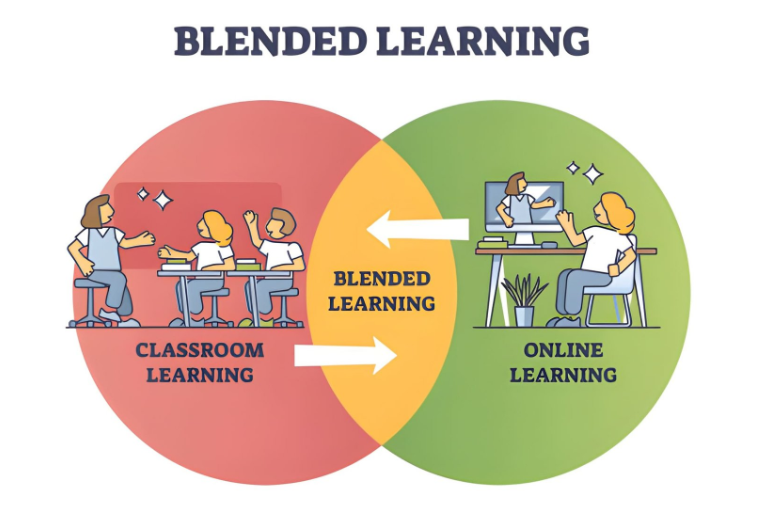
Modern teaching methods can be used in classrooms, online learning environments, and hybrid education models. They support different learning styles and help students gain both academic knowledge and life skills.
Why Modern Teaching Methods Matter
The world has changed significantly in recent decades. Technology, communication, and workplaces are developing rapidly. As a result, students need more than textbook knowledge. They must learn how to analyze information, work with others, and solve complex problems.
Modern teaching methods matter because they improve student engagement. When students participate actively in lessons, they are more likely to remember what they learn. These methods also promote independent thinking and confidence.
Another benefit is inclusivity. Every student learns differently. Some learn best through visual materials, while others prefer hands-on activities or discussion. Modern teaching allows teachers to use varied strategies to meet different needs.
Student-Centered Learning
Student-centered learning is one of the most important modern teaching methods. In this approach, students are placed at the center of the learning process. Instead of simply listening to a teacher, learners explore topics, participate in discussions, and make decisions about their learning.
Teachers provide guidance, resources, and feedback, but students take responsibility for their progress. This method encourages curiosity and motivation. It also helps learners build self-discipline and problem-solving abilities.
For example, in a student-centered classroom, students may work in groups to research a topic, present their findings, and reflect on what they learned. This makes education more active and meaningful.
Project-Based Learning
Project-based learning is a popular modern teaching strategy that helps students learn by completing real-world projects. Instead of studying facts in isolation, students investigate a problem or question and create a final product, presentation, or solution.
This method develops critical thinking, teamwork, creativity, and communication skills. It also helps students understand how classroom lessons connect to real life.
For example, students studying environmental science might create a recycling campaign for their school. Through the project, they learn science, research, writing, public speaking, and planning skills. Project-based learning makes education practical and memorable.
Technology in the Classroom
Technology plays a major role in modern education. Digital tools such as smartboards, tablets, educational apps, online quizzes, and learning management systems make lessons more interactive and accessible.
Teachers can use videos, animations, simulations, and virtual reality to explain difficult concepts. Students can access online resources, submit assignments digitally, and collaborate with classmates from different locations.
Technology also supports personalized learning. Many digital platforms track student progress and provide activities based on individual performance. This helps teachers identify strengths and weaknesses more easily.
However, technology should be used thoughtfully. It is most effective when it supports learning goals rather than replacing meaningful teaching.
Flipped Classroom Method
The flipped classroom is another effective modern teaching method. In a traditional classroom, students listen to lectures during class and complete homework afterward. In a flipped classroom, this process is reversed.
Students study lesson materials, such as videos or readings, at home before class. Classroom time is then used for discussions, problem-solving, group activities, and teacher support.
This method allows students to learn basic content at their own pace. During class, teachers can focus on helping students apply knowledge and clear up confusion. The flipped classroom encourages active participation and deeper understanding.
Collaborative Learning
Collaborative learning involves students working together to achieve a learning goal. This method helps learners develop teamwork, leadership, communication, and social skills.
In collaborative learning, students may complete group projects, discuss case studies, solve problems, or participate in peer review activities. Each student contributes ideas and learns from others.
This teaching method reflects real-world environments, where people often work in teams. It also helps students respect different opinions and develop empathy.
For collaborative learning to be successful, teachers must set clear expectations and ensure that all students participate fairly.
Inquiry-Based Learning
Inquiry-based learning encourages students to ask questions, investigate topics, and discover answers through research and exploration. Instead of receiving direct answers from the teacher, students learn by thinking critically and seeking evidence.
This method is especially useful for science, history, and social studies, but it can be applied to many subjects. It promotes curiosity and independent learning.
For example, rather than telling students why a historical event happened, a teacher may ask them to examine documents, compare viewpoints, and form their own conclusions. This helps students become active thinkers.
Differentiated Instruction
Differentiated instruction is a modern teaching method that recognizes students have different abilities, interests, and learning needs. Teachers adapt lessons, materials, and activities to support each learner.
Some students may need extra support, while others may benefit from advanced challenges. Differentiation can include using different reading levels, offering varied assignments, or allowing students to choose how they demonstrate understanding.
This method helps create a more inclusive classroom. It ensures that all students have the opportunity to succeed, regardless of their learning style or pace.
Experiential Learning
Experiential learning means learning through experience. Students gain knowledge by doing, reflecting, and applying what they have learned. This method can include experiments, field trips, role-playing, internships, simulations, and hands-on activities.
Experiential learning is powerful because it connects theory with practice. Students often understand concepts better when they can see and experience them directly.
For example, business students might create a small marketing plan, while language students might practice conversations in real-life situations. These experiences build confidence and practical skills.
The Role of Teachers in Modern Education
Modern teaching methods do not reduce the importance of teachers. Instead, they change the teacher’s role. Teachers are no longer only information providers; they are mentors, facilitators, coaches, and learning designers.
A modern teacher creates engaging lessons, supports student growth, encourages discussion, and uses assessment to improve learning. Teachers also help students develop emotional intelligence, digital literacy, and responsible decision-making.
Successful modern education depends on skilled teachers who understand both subject knowledge and effective teaching strategies.
Conclusion
Understanding modern teaching methods is essential for improving education in the 21st century. Approaches such as student-centered learning, project-based learning, technology integration, flipped classrooms, collaborative learning, inquiry-based learning, differentiated instruction, and experiential learning make education more engaging and effective.
These Tác giả X88 methods help students become independent thinkers, creative problem solvers, and confident communicators. As classrooms continue to evolve, modern teaching methods will play a key role in preparing learners for the future.