Salem Blog

Sample Page

Author: admin

  • The Importance of Social Responsibility

    The Importance of Social Responsibility

    Social responsibility is the idea that individuals, businesses, and organizations should act in ways that benefit society as a whole. Every decision we make, whether personal or professional, can have an impact on the people and environment around us. Being socially responsible means considering those impacts and making choices that contribute to positive change. It is not limited to large companies or governments; every person has the ability to make a meaningful difference through everyday actions. In today’s interconnected world, social responsibility has become more important than ever because communities thrive when people work together to support one another and protect shared resources.

    Understanding Social Responsibility

    Social responsibility is the commitment to act ethically and contribute to the well-being of others. It involves recognizing that our actions can affect families, communities, workplaces, and the environment.

    This responsibility can be shown in many ways, such as helping others, respecting different perspectives, supporting local initiatives, and making thoughtful decisions. Even small acts of kindness and consideration can create lasting positive effects.

    Understanding social responsibility encourages people to think beyond personal interests and consider the greater good.

    Building Stronger Communities

    Communities become stronger when individuals actively support one another. People who volunteer, participate in local activities, or assist neighbors help create a culture of trust and cooperation.

    Strong communities provide better opportunities for education, safety, and personal growth. They also become more resilient during difficult times because people are willing to work together.

    Social responsibility encourages individuals to contribute their time, knowledge, and resources for the benefit of everyone.

    Encouraging Ethical Decision-Making

    Making ethical decisions is an important part of social responsibility. Ethical behavior involves honesty, fairness, and respect in both personal and professional life.

    When individuals and organizations make responsible choices, they build trust with others and strengthen their relationships. Ethical decisions also reduce conflicts and encourage long-term success.

    A commitment to doing what is right creates positive outcomes for both individuals and society.

    Supporting Environmental Sustainability

    Protecting the environment is a key aspect of social responsibility. Everyday actions such as reducing waste, conserving energy, recycling, and using resources wisely can make a significant difference over time.

    Individuals and businesses that adopt environmentally friendly practices help preserve natural resources for future generations. These efforts also encourage others to become more environmentally conscious.

    Caring for the planet is a shared responsibility that benefits everyone.

    The Role of Businesses in Society

    Businesses play an important role in promoting social responsibility. Beyond providing products and services, organizations can support communities through ethical practices, employee well-being, and charitable initiatives.

    Companies that value social responsibility often build stronger relationships with customers and employees because they demonstrate genuine care for society.

    Responsible business practices contribute to sustainable growth and long-term success.

    Promoting Equality and Inclusion

    A socially responsible society values fairness, equality, and inclusion. Respecting people from different backgrounds and ensuring equal opportunities create stronger communities and workplaces.

    Inclusion allows everyone to contribute their talents and ideas without fear of discrimination or exclusion. Diverse perspectives often lead to better solutions and greater innovation.

    Promoting equality benefits individuals as well as society as a whole.

    Inspiring Future Generations

    One of the greatest benefits of social responsibility is its ability to inspire future generations. Children and young adults learn by observing the actions of parents, teachers, leaders, and community members.

    When they see positive examples of kindness, honesty, and responsibility, they are more likely to adopt these values themselves.

    Teaching social responsibility today helps create a more caring and compassionate society tomorrow.

    Strengthening Personal Character

    Practicing social responsibility also supports personal growth. Helping others, making ethical choices, and contributing to the community build qualities such as empathy, integrity, and compassion.

    These qualities improve relationships and create a greater sense of purpose. People who act responsibly often experience increased confidence and satisfaction because they know they are making a positive impact.

    Strong character benefits both individuals and those around them.

    Working Together for Positive Change

    Many of society’s greatest achievements result from people working together toward common goals. Whether addressing community challenges, supporting education, or protecting the environment, cooperation strengthens positive efforts.

    Social responsibility encourages collaboration between individuals, businesses, and organizations. By combining resources and ideas, communities can solve problems more effectively.

    Collective action often creates lasting improvements that benefit future generations.

    Creating a Better Future

    Social responsibility is about thinking beyond the present and considering how today’s actions shape tomorrow. Responsible decisions help create healthier communities, stronger relationships, and a more sustainable world.

    Every positive action, no matter how small, contributes to meaningful progress. By making responsible choices consistently, individuals help build a brighter future for everyone.

    Positive change begins with the willingness to care about others and take action.

    Conclusion

    Social responsibility is essential for creating stronger communities, protecting the environment, and improving the quality of life for everyone. It encourages ethical decision-making, promotes equality, and inspires cooperation among individuals and organizations. Every person has the ability to contribute through thoughtful actions, kindness, and respect for others. While major changes may take time, small responsible actions performed consistently can create a lasting impact. By embracing social responsibility in everyday life, individuals can help build a more compassionate, inclusive, and sustainable future for generations to come.

  • The Future of Creative Industries

    The Future of Creative Industries

    The creative industries have always played an important role in shaping how people understand, experience, and connect with the world. From film and music to design, writing, advertising, gaming, and digital content, creative work influences culture and brings ideas to life. As technology continues to evolve, these industries are entering an exciting period of transformation.

    The future of creative industries will not be defined by technology alone. Human imagination, emotion, originality, and storytelling will remain at the heart of creative work. However, new tools and changing consumer habits will create opportunities for creators to experiment, reach wider audiences, and develop entirely new forms of expression.

    Technology Is Changing Creative Work

    Technology has already transformed how creative content is produced and shared. Digital cameras, editing software, design platforms, and online publishing have made creative tools more accessible than ever.

    In the future, emerging technologies will continue to influence creative processes. Artificial intelligence, virtual reality, augmented reality, and advanced digital platforms may help creators explore ideas that were previously difficult or expensive to produce.

    These technologies can support creativity by handling repetitive tasks, generating possibilities, or helping creators experiment quickly. However, the human ability to understand emotions, culture, and meaningful storytelling will remain essential.

    Artificial Intelligence Will Become a Creative Partner

    Artificial intelligence is one of the most discussed developments in creative industries. It can assist with tasks such as brainstorming, editing, research, and content development.

    Rather than replacing every creative professional, AI may become another tool in the creative process. Writers, designers, musicians, and filmmakers may use AI to explore ideas and speed up certain parts of their work.

    At the same time, important questions about originality, copyright, ethics, and responsible use will continue to shape discussions around AI.

    The most successful approach may be one where technology supports human creativity rather than attempting to replace it entirely.

    Digital Content Will Continue to Grow

    The way people consume creative content has changed dramatically. Audiences now have access to videos, podcasts, games, articles, and interactive experiences from almost anywhere.

    Social media and digital platforms have also made it possible for independent creators to reach audiences without relying entirely on traditional companies.

    This trend is likely to continue. Future creators may build global communities around their work and communicate directly with audiences.

    The ability to develop a personal identity and maintain a strong connection with followers may become just as important as the quality of the creative product itself.

    Immersive Experiences Will Expand

    Virtual and augmented reality are creating new possibilities for storytelling and entertainment. Instead of simply watching a story, audiences may increasingly experience it in more interactive ways.

    Imagine exploring a virtual world, attending a digital concert, or learning through an immersive historical experience.

    These technologies could influence entertainment, education, tourism, marketing, and many other fields.

    As the technology becomes more accessible, creative professionals will have new opportunities to experiment with how stories are experienced.

    Gaming Will Become Even More Influential

    The gaming industry has already become a major part of global entertainment and culture. Games combine storytelling, art, music, technology, and interactive experiences.

    The future of gaming may include more immersive worlds, advanced storytelling, and new ways for players to interact with one another.

    Gaming may also continue to influence other creative industries. Film, music, fashion, and advertising are increasingly exploring ways to connect with gaming audiences.

    As technology improves, the boundaries between different forms of entertainment may become less distinct.

    Creators Will Need New Skills

    The creative professionals of the future will likely need a combination of creative and technical skills.

    A designer may need to understand digital tools, while a filmmaker may explore virtual production. Writers may need to understand how audiences discover content online.

    This does not mean every creator must become a technology expert. However, being willing to learn new tools can provide valuable advantages.

    Continuous learning will become increasingly important as creative technologies evolve.

    Authenticity Will Become More Valuable

    As technology makes it easier to create large amounts of content, audiences may become more selective about what they choose to watch, read, or listen to.

    Authenticity could become a major advantage. People often connect with creative work that feels genuine, meaningful, and emotionally relevant.

    Creators who develop a unique voice and understand their audience may stand out in an increasingly crowded digital environment.

    Human experiences, personal stories, and original perspectives will continue to have powerful value.

    Creative Industries Will Create New Opportunities

    The future will likely bring new careers that are difficult to predict today. As technologies develop, new roles may emerge around virtual experiences, interactive storytelling, digital design, and AI-assisted creativity.

    At the same time, traditional creative professions may evolve rather than disappear.

    This creates opportunities for people who are willing to combine creativity with curiosity and adaptability.

    Conclusion

    The future of creative industries is filled with possibilities. Technology will continue to transform how creative work is produced, distributed, and experienced, but human imagination will remain at the center of the process.

    Artificial intelligence, immersive technologies, digital platforms, and interactive entertainment will create new tools and opportunities. However, the creators who succeed will likely be those who understand that technology is only part of the equation.

    Original ideas, emotional connection, storytelling, and authenticity will continue to matter.

    The creative industries of tomorrow may look very different from those of today, but their purpose will remain familiar: helping people imagine, connect, communicate, and experience something meaningful.

    As technology and creativity come together, the future will belong to those who are willing to learn, experiment, and explore new possibilities while staying connected to the human qualities that make creative work truly powerful.

  • Understanding Modern Teaching Methods

    Understanding Modern Teaching Methods

    Modern teaching methods are transforming classrooms around the world. As X88 education evolves, teachers are moving beyond traditional lectures and memorization to create learning experiences that are interactive, student-centered, and skill-focused. These methods help learners think critically, communicate effectively, solve problems, and apply knowledge in real-world situations.

    Understanding modern teaching methods is important for educators, parents, school leaders, and students. In today’s fast-changing world, education must prepare learners not only to pass exams but also to adapt, collaborate, and succeed in future careers.

    What Are Modern Teaching Methods?

    Modern teaching methods refer to innovative approaches that make learning more engaging, meaningful, and practical. Unlike traditional teaching, where the teacher is often the main source of information, modern teaching encourages students to take an active role in their education.

    These methods focus on creativity, participation, technology, and personalized learning. Teachers act as guides or facilitators, helping students explore concepts, ask questions, and develop deeper understanding.

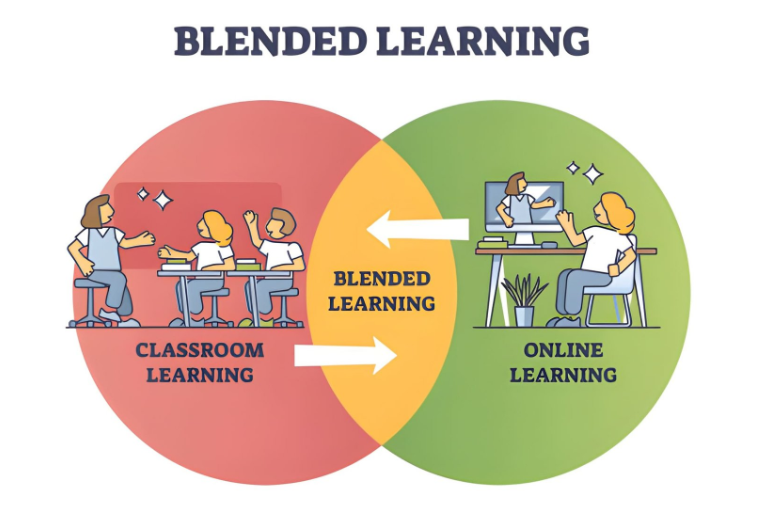
    Modern teaching methods can be used in classrooms, online learning environments, and hybrid education models. They support different learning styles and help students gain both academic knowledge and life skills.

    Why Modern Teaching Methods Matter

    The world has changed significantly in recent decades. Technology, communication, and workplaces are developing rapidly. As a result, students need more than textbook knowledge. They must learn how to analyze information, work with others, and solve complex problems.

    Modern teaching methods matter because they improve student engagement. When students participate actively in lessons, they are more likely to remember what they learn. These methods also promote independent thinking and confidence.

    Another benefit is inclusivity. Every student learns differently. Some learn best through visual materials, while others prefer hands-on activities or discussion. Modern teaching allows teachers to use varied strategies to meet different needs.

    Student-Centered Learning

    Student-centered learning is one of the most important modern teaching methods. In this approach, students are placed at the center of the learning process. Instead of simply listening to a teacher, learners explore topics, participate in discussions, and make decisions about their learning.

    Teachers provide guidance, resources, and feedback, but students take responsibility for their progress. This method encourages curiosity and motivation. It also helps learners build self-discipline and problem-solving abilities.

    For example, in a student-centered classroom, students may work in groups to research a topic, present their findings, and reflect on what they learned. This makes education more active and meaningful.

    Project-Based Learning

    Project-based learning is a popular modern teaching strategy that helps students learn by completing real-world projects. Instead of studying facts in isolation, students investigate a problem or question and create a final product, presentation, or solution.

    This method develops critical thinking, teamwork, creativity, and communication skills. It also helps students understand how classroom lessons connect to real life.

    For example, students studying environmental science might create a recycling campaign for their school. Through the project, they learn science, research, writing, public speaking, and planning skills. Project-based learning makes education practical and memorable.

    Technology in the Classroom

    Technology plays a major role in modern education. Digital tools such as smartboards, tablets, educational apps, online quizzes, and learning management systems make lessons more interactive and accessible.

    Teachers can use videos, animations, simulations, and virtual reality to explain difficult concepts. Students can access online resources, submit assignments digitally, and collaborate with classmates from different locations.

    Technology also supports personalized learning. Many digital platforms track student progress and provide activities based on individual performance. This helps teachers identify strengths and weaknesses more easily.

    However, technology should be used thoughtfully. It is most effective when it supports learning goals rather than replacing meaningful teaching.

    Flipped Classroom Method

    The flipped classroom is another effective modern teaching method. In a traditional classroom, students listen to lectures during class and complete homework afterward. In a flipped classroom, this process is reversed.

    Students study lesson materials, such as videos or readings, at home before class. Classroom time is then used for discussions, problem-solving, group activities, and teacher support.

    This method allows students to learn basic content at their own pace. During class, teachers can focus on helping students apply knowledge and clear up confusion. The flipped classroom encourages active participation and deeper understanding.

    Collaborative Learning

    Collaborative learning involves students working together to achieve a learning goal. This method helps learners develop teamwork, leadership, communication, and social skills.

    In collaborative learning, students may complete group projects, discuss case studies, solve problems, or participate in peer review activities. Each student contributes ideas and learns from others.

    This teaching method reflects real-world environments, where people often work in teams. It also helps students respect different opinions and develop empathy.

    For collaborative learning to be successful, teachers must set clear expectations and ensure that all students participate fairly.

    Inquiry-Based Learning

    Inquiry-based learning encourages students to ask questions, investigate topics, and discover answers through research and exploration. Instead of receiving direct answers from the teacher, students learn by thinking critically and seeking evidence.

    This method is especially useful for science, history, and social studies, but it can be applied to many subjects. It promotes curiosity and independent learning.

    For example, rather than telling students why a historical event happened, a teacher may ask them to examine documents, compare viewpoints, and form their own conclusions. This helps students become active thinkers.

    Differentiated Instruction

    Differentiated instruction is a modern teaching method that recognizes students have different abilities, interests, and learning needs. Teachers adapt lessons, materials, and activities to support each learner.

    Some students may need extra support, while others may benefit from advanced challenges. Differentiation can include using different reading levels, offering varied assignments, or allowing students to choose how they demonstrate understanding.

    This method helps create a more inclusive classroom. It ensures that all students have the opportunity to succeed, regardless of their learning style or pace.

    Experiential Learning

    Experiential learning means learning through experience. Students gain knowledge by doing, reflecting, and applying what they have learned. This method can include experiments, field trips, role-playing, internships, simulations, and hands-on activities.

    Experiential learning is powerful because it connects theory with practice. Students often understand concepts better when they can see and experience them directly.

    For example, business students might create a small marketing plan, while language students might practice conversations in real-life situations. These experiences build confidence and practical skills.

    The Role of Teachers in Modern Education

    Modern teaching methods do not reduce the importance of teachers. Instead, they change the teacher’s role. Teachers are no longer only information providers; they are mentors, facilitators, coaches, and learning designers.

    A modern teacher creates engaging lessons, supports student growth, encourages discussion, and uses assessment to improve learning. Teachers also help students develop emotional intelligence, digital literacy, and responsible decision-making.

    Successful modern education depends on skilled teachers who understand both subject knowledge and effective teaching strategies.

    Conclusion

    Understanding modern teaching methods is essential for improving education in the 21st century. Approaches such as student-centered learning, project-based learning, technology integration, flipped classrooms, collaborative learning, inquiry-based learning, differentiated instruction, and experiential learning make education more engaging and effective.

    These Tác giả X88 methods help students become independent thinkers, creative problem solvers, and confident communicators. As classrooms continue to evolve, modern teaching methods will play a key role in preparing learners for the future.

  • Healthy Eating Without Complicated Diets

    Healthy Eating Without Complicated Diets

    Healthy eating does not have to mean strict meal plans, expensive ingredients, calorie counting, or following the latest diet trend. In fact, the best way to build healthy eating habits is often the simplest: choose mostly whole foods, eat balanced meals, drink enough water, and make small changes you can maintain. A healthy lifestyle should feel realistic, flexible, and enjoyable—not stressful.

    If you want to improve your nutrition without complicated diets, this guide will help you understand easy ways to eat better every day.

    What Does Healthy Eating Really Mean?

    Healthy eating is about giving your body the nutrients it needs to function well. This includes protein, carbohydrates, healthy fats, vitamins, minerals, and fiber. Instead of focusing on restrictions, healthy eating focuses on balance.

    A balanced diet usually includes:

    – Fruits and vegetables
    – Whole grains
    – Lean proteins
    – Healthy fats
    – Dairy or dairy alternatives
    – Plenty of water

    You do not need to remove entire food groups Ga6789 unless you have a medical reason or allergy. For most people, eating a variety of nutritious foods is more effective than following a strict diet.

    Start With Simple, Whole Foods

    One of the easiest ways to eat healthier is to choose more whole foods. Whole foods are foods that are close to their natural state and are usually less processed. Examples include apples, oats, eggs, beans, brown rice, chicken, fish, spinach, nuts, and yogurt.

    Processed foods are not always “bad,” but many packaged snacks, sugary drinks, and fast foods are high in added sugar, salt, and unhealthy fats. Eating these foods occasionally is fine, but making whole foods the foundation of your meals can improve your energy, digestion, and overall health.

    A simple rule to follow is this: fill most of your plate with foods that look like they came from nature.

    Build a Balanced Plate

    You do not need a complicated meal plan to eat well. A balanced plate method can make healthy eating easy.

    Try this simple formula:

    – Half your plate: vegetables or fruit
    – One quarter: protein
    – One quarter: whole grains or starchy vegetables
    – Add a small amount of healthy fat

    For example, a balanced meal could be grilled chicken, brown rice, roasted vegetables, and avocado. Another simple option is a bowl with beans, quinoa, greens, salsa, and olive oil dressing.

    This method helps you get enough nutrients while keeping portions balanced. It is also flexible, so you can use foods you already enjoy.

    Eat More Fruits and Vegetables

    Fruits and vegetables are rich in fiber, vitamins, minerals, and antioxidants. They support digestion, heart health, immune function, and healthy weight management. Yet many people do not eat enough of them.

    You can increase your intake without making big changes. Add berries to breakfast, include a side salad with lunch, snack on carrots and hummus, or add extra vegetables to soups, pasta, omelets, and sandwiches.

    Frozen fruits and vegetables are also great options. They are convenient, often affordable, and still nutritious. Keeping them on hand makes it easier to prepare healthy meals quickly.

    Choose Protein at Every Meal

    Protein helps keep you full, supports muscle health, and plays an important role in many body functions. Including protein in each meal can reduce cravings and help maintain steady energy levels.

    Healthy protein sources include:

    – Eggs
    – Fish
    – Chicken or turkey
    – Beans and lentils
    – Tofu and tempeh
    – Greek yogurt
    – Cottage cheese
    – Nuts and seeds

    You do not need to eat large amounts of protein, but adding a moderate portion to each meal can make your diet more balanced and satisfying.

    Do Not Fear Carbohydrates

    Many complicated diets tell people to avoid carbohydrates, but carbs are an important energy source. The key is choosing high-quality carbohydrates most of the time.

    Better carbohydrate choices include whole grains, fruits, vegetables, beans, lentils, potatoes, and oats. These foods contain fiber and nutrients that help you feel full and support digestive health.

    Refined carbs, such as pastries, candy, white bread, and sugary cereals, can be enjoyed occasionally. However, eating mostly fiber-rich carbs is better for long-term health.

    Include Healthy Fats

    Healthy fats are important for brain health, hormone production, and nutrient absorption. They also help meals taste better and feel more satisfying.

    Good sources of healthy fats include:

    – Avocados
    – Olive oil
    – Nuts
    – Seeds
    – Fatty fish like salmon and sardines
    – Natural nut butters

    Because fats are calorie-dense, small portions are usually enough. For example, drizzle olive oil on vegetables, add a few slices of avocado to a sandwich, or sprinkle seeds over yogurt.

    Drink More Water

    Hydration is an important part of healthy eating. Water supports digestion, circulation, temperature control, and energy levels. Sometimes thirst can even feel like hunger, leading to unnecessary snacking.

    A simple goal is to drink water throughout the day. You may need more if you exercise, live in a hot climate, or drink caffeine. If plain water feels boring, add lemon, cucumber, mint, or berries for natural flavor.

    Try to limit sugary drinks like soda, sweet tea, and energy drinks. These can add a lot of sugar without making you feel full.

    Practice Mindful Eating

    Healthy eating is not only about what you eat, but also how you eat. Mindful eating means paying attention to your hunger, fullness, and food choices without judgment.

    To eat more mindfully, try to:

    – Eat slowly
    – Avoid distractions during meals
    – Notice when you feel full
    – Enjoy the taste and texture of food
    – Avoid eating only because of stress or boredom

    Mindful eating can help prevent overeating and make meals more enjoyable.

    Make Healthy Eating Realistic

    The best healthy eating plan is one you can actually follow. You do not need to cook every meal from scratch or eat perfectly every day. Progress matters more than perfection.

    Start with one or two small changes. For example, you might add a vegetable to dinner, drink more water, or prepare breakfast at home. Once those habits feel easy, add another change.

    Healthy eating without complicated diets is about consistency, not strict rules.

    Final Thoughts

    Healthy eating can be simple, affordable, and enjoyable. You do not need to follow extreme diets to improve your health. By choosing whole foods, building balanced plates, eating more fruits and vegetables, including protein, drinking water, and practicing mindful eating, you can create habits that last.

    A healthy diet should support your life— Đá gà 67 not control it. Start small, stay consistent, and focus on nourishing your body in a way that feels good every day.

  • Hello world!

    Welcome to WordPress. This is your first post. Edit or delete it, then start writing!